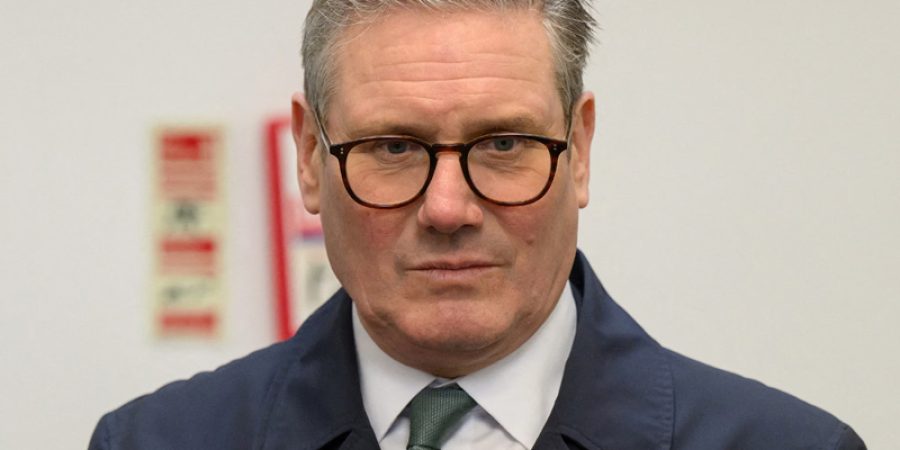
Keir Starmer has announced his resignation as prime minister and leader of the Labour Party, bringing an end to his premiership just two years after leading Labour to a landmark general election victory.
In a statement outside 10 Downing Street, Starmer said the key question facing Labour was whether he remained the best person to lead the party into the next general election. He said he had listened to the party’s response and accepted its verdict “with good grace.”
“Every decision I have taken has been about putting the country I love first,” Starmer said as he confirmed he would step down as Labour leader and prime minister.
The outgoing prime minister reflected on his political journey, describing his arrival in Downing Street in July 2024 as the proudest moment of his life. He said he entered politics to improve the lives of millions and highlighted Labour’s return to power after years in opposition.
Starmer also paid tribute to his family, thanking his wife, Victoria, whom he described as his “rock”. He added that he wanted to spend more time being “the best dad” he could be to his children.
Before announcing his resignation, Starmer defended his record as Labour leader, saying he had inherited a party that was “politically, financially and morally bankrupt”. He pointed to reforms that he said rebuilt public trust, including tackling anti-Semitism and strengthening Labour’s credibility on the economy, defence and national security.
Attention is now turning to Starmer’s successor. Greater Manchester Mayor Andy Burnham, who won the Makerfield by-election last week and is due to be sworn in as an MP, is widely viewed as the frontrunner.
Senior Labour figures are increasingly expecting a swift leadership transition, with some anticipating Burnham could emerge as the sole candidate. If that happens, he could take over before or during Labour’s annual conference in September, although some supporters argue the process should move faster.
Starmer’s resignation marks a dramatic political moment, ending a leadership that delivered Labour’s return to government but concludes far sooner than many expected following the party’s decisive election victory in 2024.
Erizia Rubyjeana
Follow us on: