
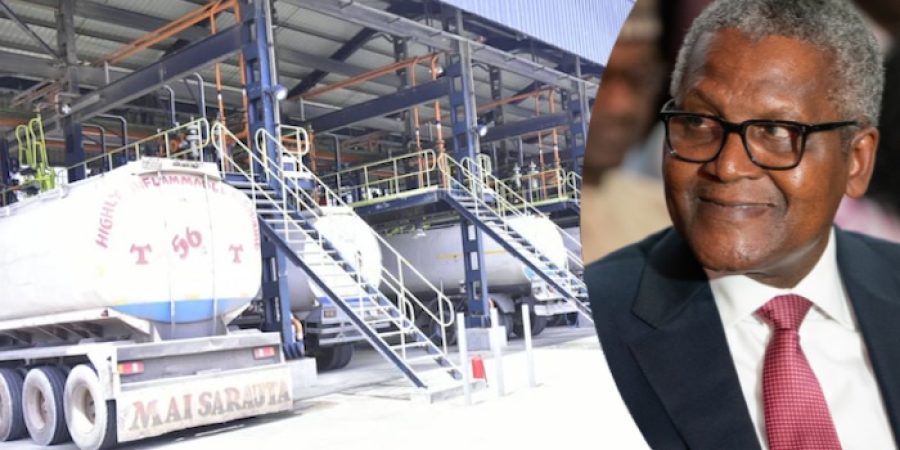
Nigerian billionaire Aliko Dangote is facing a surge in demand for fuel from across Africa as the Iran war disrupts global supply chains and exposes the continent’s dependence on imports.
Dangote Petroleum Refinery and Petrochemicals has received inquiries from South Africa, other African governments, and countries outside the continent, according to a company executive. South Africa is reportedly seeking a 12 month standard supply contract with Nigeria, as discussions continue privately.
The disruption caused by the US-Israel war on Iran is rippling across global energy markets, triggering shortages from Asia to Africa and highlighting vulnerabilities in fuel supply systems.
In Africa, the impact is particularly severe in east and southern regions, where about 75% of refined fuel imports come from the Middle East, according to energy consultancy CITAC.
South Africa acknowledged the risk, stating: “is actively coordinating with industry stakeholders to secure both crude oil and refined petroleum products from a diversified range of sources.”
The government added: “A comprehensive plan is in place to manage potential supply risks.”
Dangote’s 650,000 barrel per day refinery allocates about 75% of its output to Nigeria, leaving the rest for export. Countries including Ghana and Kenya have also approached the company for supplies.
“Right now it is not about pricing, it’s about availability,” Dangote said in an interview. “I think the situation will continue for a while.”
While South Africa says it has enough fuel for the “coming weeks,” and Kenya maintains a three week stock requirement, concerns persist across the continent.
In Ethiopia, authorities have directed fuel stations to prioritise public transport and urged citizens to conserve energy. In Somalia’s capital, fuel prices have nearly doubled.
Despite holding about 8 million barrels of strategic crude reserves, South Africa lacks dedicated fuel stockpiles, raising concerns among lawmakers about long term preparedness.
Africa’s largest economy has also seen its refining capacity shrink significantly due to accidents and years of underinvestment, increasing reliance on imported fuel.
Fuel industry stakeholders insist supplies remain stable for now, but businesses are already taking precautions. Demand for coal has surged, with prices rising sharply as companies seek alternatives.
Exxaro Resources warned of rising freight and insurance costs alongside potential supply disruptions.
“Making sure we have enough fuel inventories for a crisis like this is also quite important,” Chief Executive Officer Ben Magara said. “So we are putting a lot of business continuity management plans in place because you just, you never know.”
Faridah Abdulkadiri
Follow us on: